Blog › How to choose a coloring book
How to Choose a Coloring Book: A Practical Buying Guide
Most coloring books are judged by their covers, and most covers are lovely. The things that decide if you actually enjoy the book are inside: how detailed the pages are, whether the ink from your markers will ruin the next picture, how thick the paper is, and whether the book will lie open on the table without a fight. This guide covers each of those, plus printable versus paperback versus digital, and how to pick a coloring book as a gift.
Start with how you actually color
Before looking at any book, answer three questions honestly:
- When do you color? A twenty-minute wind-down before bed calls for a different book than a long Sunday afternoon.
- What do you color with? Alcohol markers, colored pencils, gel pens and crayons all want different things from paper.
- What do you want out of it? Some people want a challenge to sink into. Others want a break that asks very little.
Keep the answers in mind. Every section below comes back to them.
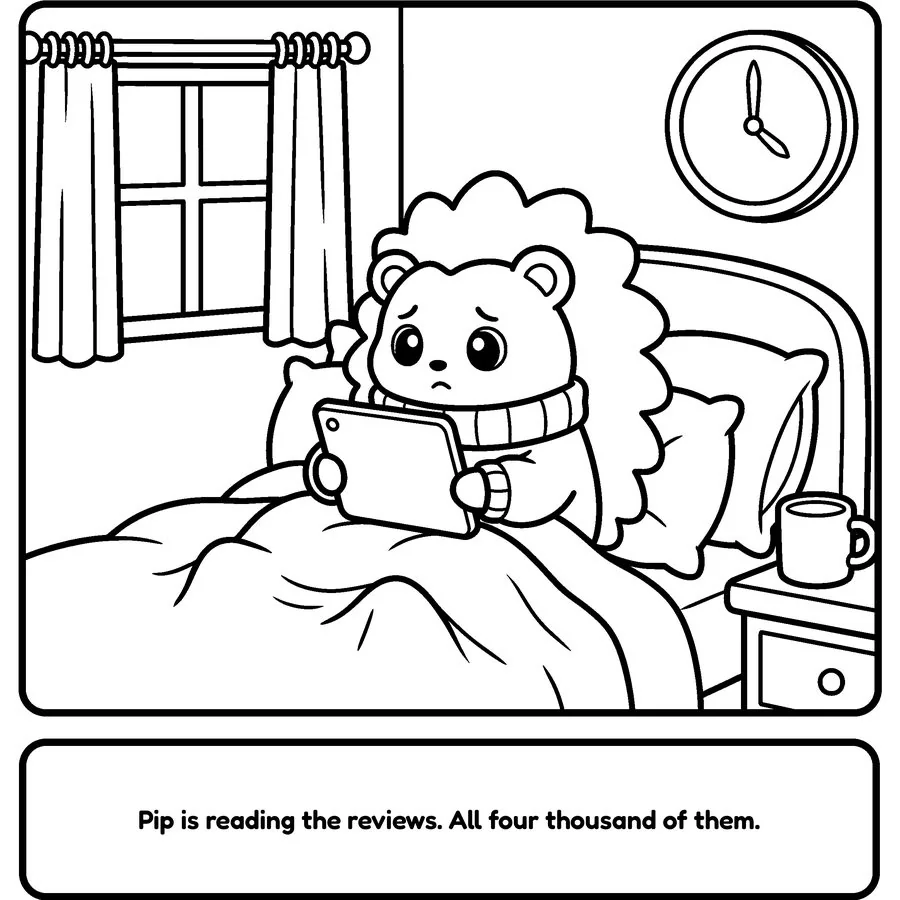
Detail level: bold and easy or intricate
This is the biggest single choice, and the one most likely to decide if you ever reach page two.
| Bold and easy | Intricate | |
|---|---|---|
| Lines | Thick and forgiving | Thin, often very fine |
| Shapes | Large and few | Small and many |
| Time per page | An evening or less | Several sessions |
| Good for | Beginners, tired evenings, markers, coloring while you talk | Long focused sessions, fine-tip pens, sharp pencils |
Labels like "easy" and "simple" are not standardized, so look at the sample pages, not the title. Check pages from the middle of the book too, not only the first one. If you have never colored before, or you mostly color in the evening, start bold. You can always add detail to a simple page with shading and patterns; you cannot take detail out of a busy one. We explain the style in more depth in what is bold and easy coloring.
Pages and paper
Single-sided or double-sided
If you use markers, this matters more than anything else on this list.
Alcohol markers soak through almost any paper. Strathmore notes that most papers will eventually let marker through unless they have a special barrier layer. In a double-sided book, every picture you color with markers can stain the picture on the back. In a single-sided book, the back of each design is blank, so bleed-through lands on nothing that matters.
- Markers, especially alcohol markers: choose single-sided.
- Colored pencils and crayons: double-sided is usually fine, since pencil does not soak through.
- Water-based markers and gel pens: lean single-sided, or test a page you do not mind losing.
Even with single-sided pages, slip a spare sheet behind the page you are coloring. Wet ink can still transfer to the next sheet.
Paper weight: gsm vs. pounds
Thicker paper takes more layers before it bleeds, warps or pills. The trouble is that paper weight is described in two systems, and the US one is confusing. Grams per square meter (gsm) compares any paper with any other. US pound weights depend on the paper category, because each category is weighed at a different sheet size. That is why, on Neenah's conversion chart, 60 lb text paper and 24 lb bond are nearly identical (89 and 90 gsm), while 80 lb cover is a stiff 216 gsm. When a listing gives you a choice, compare gsm.
| Paper | About | Feels like |
|---|---|---|
| 20 lb bond | 75 gsm | Everyday copy paper |
| 60 lb text / 24 lb bond | 89-90 gsm | Slightly heavier printer paper |
| 80 lb text | 118 gsm | Good printer paper |
| 65 lb cover | 176 gsm | Light cardstock |
| 110 lb index | 199 gsm | Sturdy cardstock |
What books usually use
Many coloring books do not state their paper weight. For context, Amazon's print-on-demand service lists 50-61 lb (74-90 gsm) white paper for its standard black-ink and standard color paperbacks, and 60-71 lb (88-105 gsm) for premium color, noting that weight varies by printing location. Crayola, by comparison, advertises 80 lb paper in its adult coloring books. If paper weight matters to you, look for it in the listing or the "look inside" pages, and assume thinner paper if it is not mentioned.
Paper surface
Weight is not everything. Alcohol markers blend best on smooth paper; Crayola recommends smooth, uncoated paper, and Altenew warns that rough, toothy paper soaks up ink unevenly.
Binding and page size
Does it lie flat?
You will hold a coloring book open for hours, so the spine matters.
- Perfect bound (a glued, square spine, like most paperbacks): looks good on a shelf and can carry a title on the spine. It does not open fully flat, so the area near the spine curves away from you. Printed.com describes it as limited to opening slightly flat.
- Spiral or wire bound: Conquest Graphics notes that spiral binding lies completely flat when opened and can fold back 360 degrees without damage. Easier to color, harder to shelve, and less common for coloring books.
Living with a perfect-bound book: press the book open gently a few pages at a time when it is first opened, rather than cracking it flat in one go. Designs with a margin around them keep the coloring away from the spine. And if a book has perforated pages, or you are happy to cut a page out with a craft knife, a loose page on a flat board is the most comfortable of all.
Page size
Bigger pages mean bigger shapes, which is good for markers and for anyone who finds small details hard to see or hold. Smaller books are easier to carry and finish faster. Common sizes:
- 8.5 x 11 in (US Letter): the standard large format.
- 8.5 x 8.5 in square: a good middle ground. Our books use this size, so a character and a cozy room fit comfortably on one page.
- Pocket sizes around 6 x 9 in or smaller: good for travel, waiting rooms and short sessions.
Theme, humor and captions
This part is personal, and it matters more than people expect. You will spend an hour or more with each page, so pick a subject you would happily look at for that long. Cats, plants, cozy rooms, food, holidays, a character you recognize from your own life.
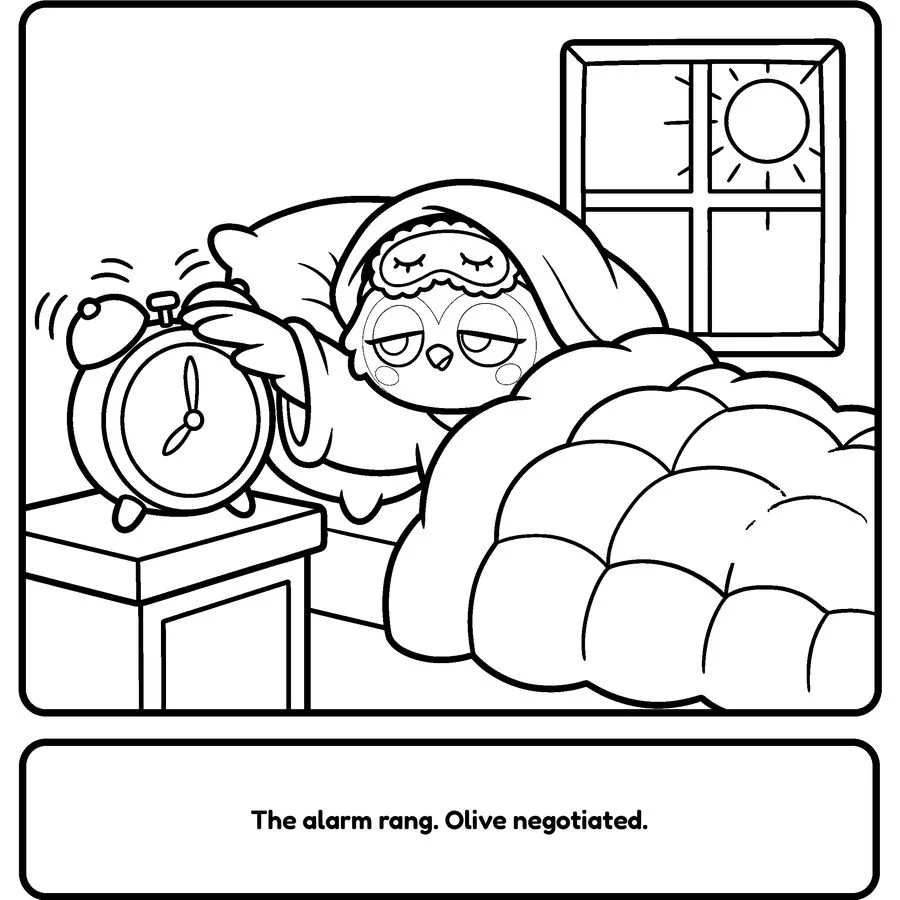
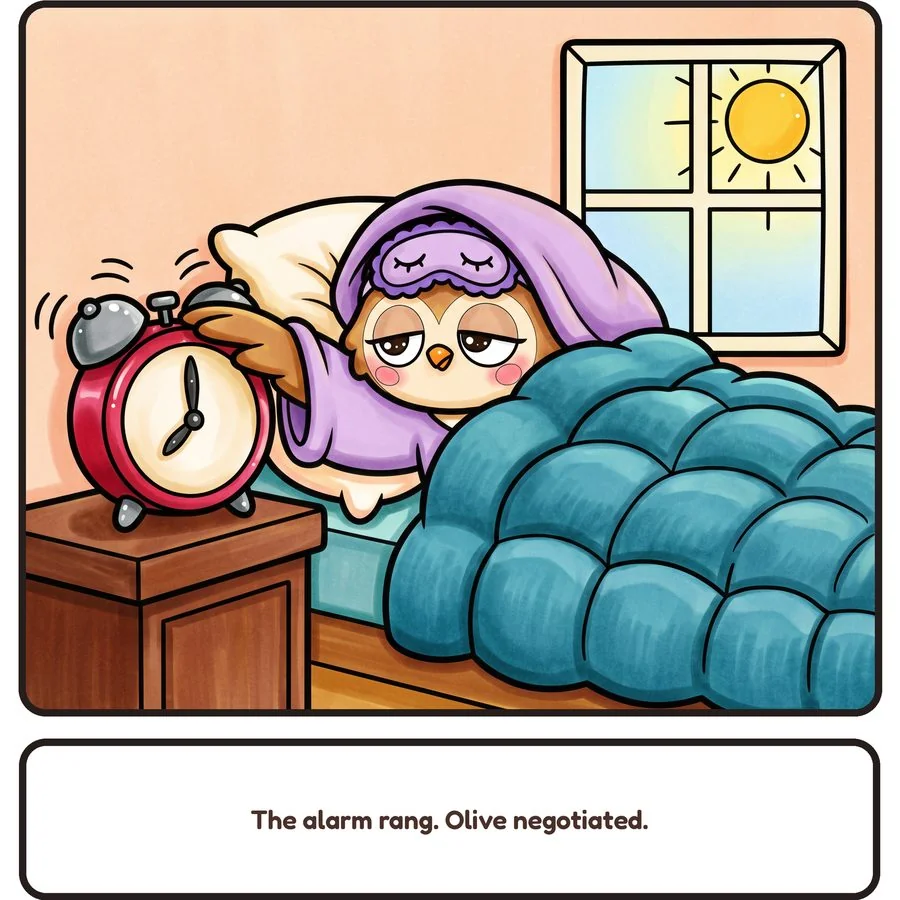
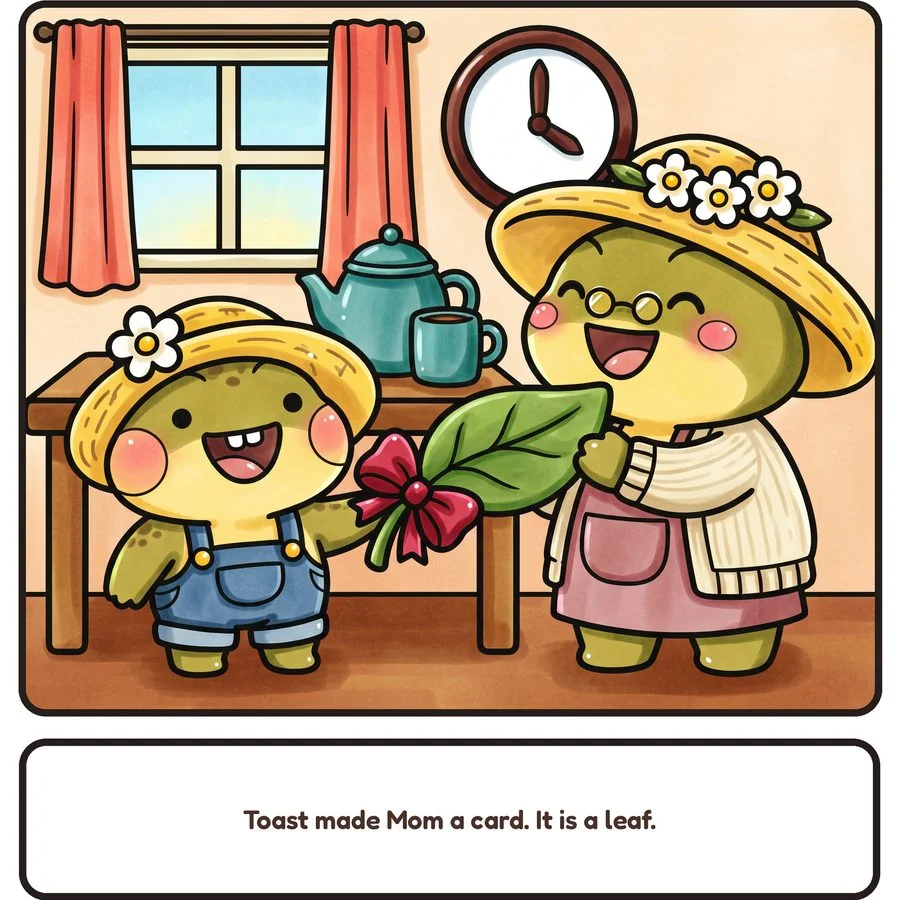
Captions are worth a look too. A short line of text gives each picture a little story, and it makes the page feel like a moment rather than an exercise. Every page in the ten Oddly Snug books has one: "Mabel has been on mute all day. On purpose." or "Toast only came in for soil." If a caption makes you think of someone, that is also a good sign for gifting.
Printable, paperback or digital
| Printable PDF | Paperback | Digital (tablet) | |
|---|---|---|---|
| Paper | You choose, including cardstock | Set by the publisher | None |
| Bleed-through | Controlled by your paper | Depends on the book | Never |
| Mistakes | Print the page again | Permanent | Undo |
| Needs | A printer | Nothing | A tablet, stylus and app |
| As a gift | Less tangible | Easy to wrap | Hard to wrap |
Printables are the flexible option: you can print your favorite page twice, one to test colors on and one to keep. Paperbacks are simpler and more giftable. Digital coloring in an app like Procreate or GoodNotes removes bleed-through and mistakes entirely, at the cost of the feel of paper. See how to color on an iPad for that route.
Match the book to your tools
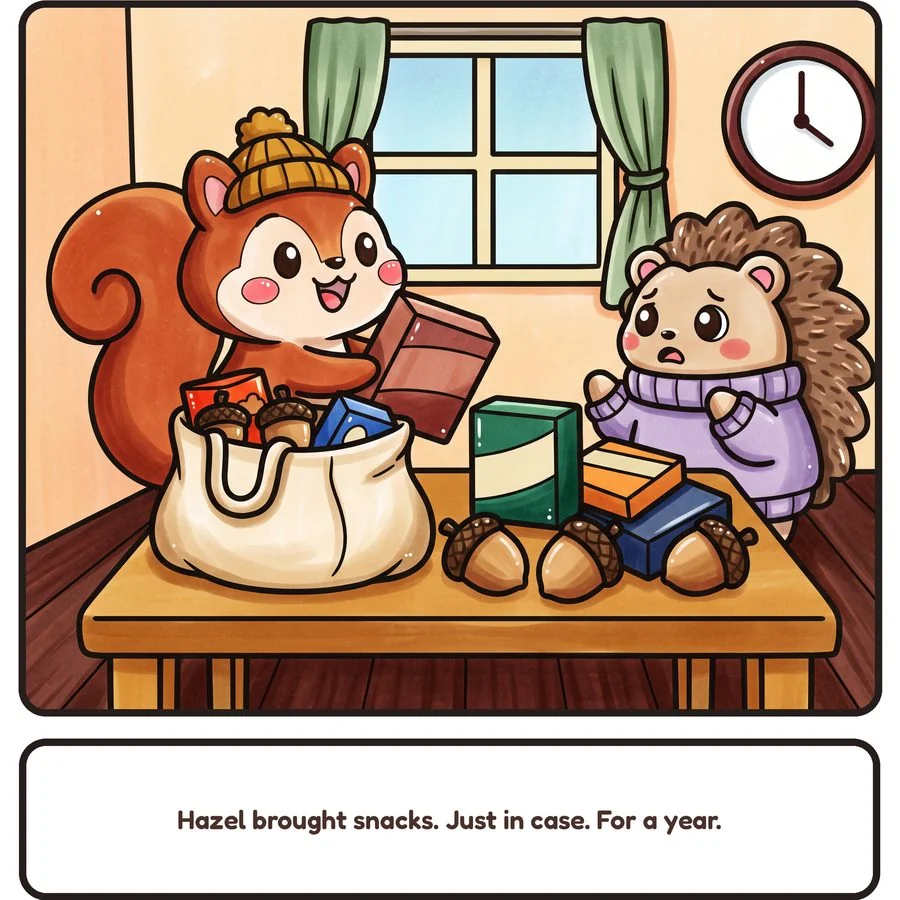
- Alcohol markers: single-sided pages, the heaviest smooth paper you can find, and bold shapes that give blends room. Keep a scrap sheet behind the page.
- Colored pencils: nearly any book works, single- or double-sided.
- Water-based markers: less bleed than alcohol, but they can still show through thin paper and may pill it if you go over an area many times.
- Gel pens and fine liners: good for details and adding patterns. Test on the back cover or a blank page first.
- Crayons: big shapes and forgiving lines suit them best.
If you are still building your kit, our guide to the best coloring supplies for beginners starts from zero.
Buying a coloring book as a gift
A coloring book is a good gift because it is an invitation, not a chore. A few ways to get it right:
- Match the character to the person. A cat person who works from home, a friend whose plans are always a blanket, someone with far too many houseplants.
- Go bold and easy if you are not sure. It suits beginners and experienced colorists alike, and nobody is put off by a page they can finish.
- Add a few tools. A small set of markers or pencils turns a book into a ready-to-go evening.
- Tuck in a spare sheet for behind the page if you are giving markers. It shows you know what you are doing.
Our gift guide matches each book to a type of person.
A five-minute check before you buy
- Look at three sample pages from different parts of the book. Is the detail level what you want, all the way through?
- Find out if the pages are single-sided. Essential for markers.
- Look for the paper weight in gsm or pounds. No number usually means standard paper.
- Check the binding and size. Will it lie open well enough, and are the shapes big enough for you?
- Read one caption or look at one scene and ask: would I want to spend an hour with this?
The easiest test of all is to color a page before you buy. Every Oddly Snug book has free pages to print at home, so you can try the style, your tools and your paper before the paperbacks arrive on Amazon.
Questions people ask
What kind of coloring book is best for beginners?
A bold and easy book with thick lines, large shapes and single-sided pages. Your first pages look good quickly, and you can add shading and patterns later as you get more confident.
Do I need single-sided pages?
If you use markers, especially alcohol markers, yes. They soak through most paper, and in a double-sided book they can stain the picture on the back. For colored pencils, double-sided pages are usually fine.
What paper weight is good for markers?
Heavier is better. Many books use around 74-90 gsm paper. For printables you color with alcohol markers, cardstock around 176-199 gsm (65 lb cover to 110 lb index) holds up much better. Always put a spare sheet behind the page.
Are spiral-bound coloring books better?
They lie flat and can fold back on themselves, which makes coloring easier. Perfect-bound books with a glued spine do not open fully flat, but they are more common, look neater on a shelf and work well if the designs have a margin away from the spine.
Is a printable coloring book better than a paperback?
It depends. Printables let you choose your paper and print a page again, which is great for markers and practice. Paperbacks need no printer and make easier gifts.
Sources
- Neenah: Basis weights (paper weight conversion chart)
- Kindle Direct Publishing: Paperback paper and ink options
- Crayola: What paper works best with alcohol markers?
- Strathmore: Feather vs. bleed on paper (and how to prevent both)
- Altenew: Dos and don'ts of using alcohol markers
- Conquest Graphics: All about print binding and how to choose the best option
- Printed.com: Perfect binding vs. spiral binding
 Coloring supplies for beginners
 Alcohol marker tips for coloring books
 Colored pencil tips for coloring books